
Protect your orthodontic results before small changes become a larger problem. At Christensen Orthodontics, we provide new and replacement retainers in South Jordan, Utah, for patients who have completed braces or clear aligner treatment. We can also evaluate retainers that feel tight, loose, damaged or no longer fit.
Dr. Todd Christensen has treated thousands of patients with post-treatment shifting and orthodontic relapse. He will determine whether you need a replacement retainer or whether your teeth have moved enough to require additional correction.
Call 801-446-5548 if your retainer is lost, broken, worn or no longer fits properly.
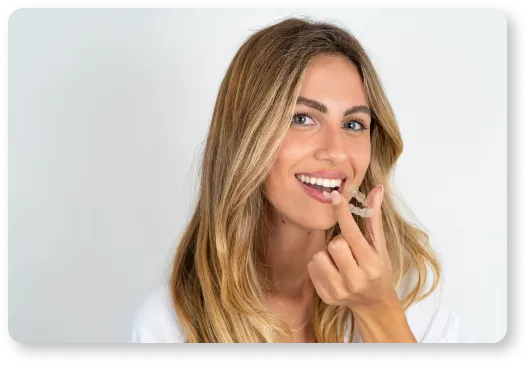
Why Retainers Matter After Orthodontic Treatment
Teeth are not permanently fixed in place after braces or clear aligners. The bone and tissues surrounding the teeth need time to adapt to their new positions, and natural forces continue to affect the smile throughout life.
A retainer supports the alignment created during active treatment. Wearing it according to your orthodontist’s instructions can help:
- Maintain tooth alignment after orthodontic treatment
- Reduce renewed crowding, spacing or rotation
- Support the corrected bite
- Protect the time and effort invested in treatment
- Reduce the likelihood of needing additional correction
Retention is important after traditional braces, Damon™ braces, Invisalign® treatment and other clear aligners. The type of appliance used during treatment does not eliminate the possibility of future tooth movement.
When You May Need a Replacement Retainer
Retainers wear down and can be lost or damaged. Replacing a problem retainer promptly may help prevent unwanted tooth movement.
Schedule a retainer evaluation if your appliance:
- Is lost or was accidentally thrown away
- Has a crack, split or missing section
- Has become warped from heat
- Feels unusually tight or painful
- Does not seat completely over the teeth
- Feels loose and no longer holds the teeth securely
- Has rough or sharp edges
- Shows significant wear or buildup
- Has been damaged by a pet
Do not force a retainer that no longer fits. Excessive pressure may damage the appliance or make your teeth uncomfortable. Call 801-446-5548 so our team can determine the appropriate next step.
What If My Teeth Have Already Shifted?
A tight retainer may indicate that your teeth have begun to move. The correct solution depends on how much shifting has occurred and whether the retainer can still seat safely.
Dr. Christensen has treated thousands of relapse and post-treatment cases. After examining your smile, he may recommend:
- Continuing with the current retainer if it still fits appropriately
- Replacing a worn or distorted retainer
- Creating a new retainer for the current tooth positions
- Using limited clear aligner treatment to correct minor movement
- Developing a more comprehensive orthodontic plan when substantial relapse has occurred
A new retainer holds teeth where they are when the appliance is made. It does not automatically move shifted teeth back to their previous alignment. An evaluation helps determine whether retention alone is sufficient or active treatment is needed.
Digital Scanning and In-Office Retainer Production
Christensen Orthodontics uses a Dexis intraoral scanner to create a detailed digital model of your teeth. The scanner captures the shape and position of the teeth without using traditional impression material.
Digital records can support accurate retainer design and make it easier to evaluate how the appliance should fit. Our in-office 3D-printing capabilities also allow us to produce retainers and certain orthodontic appliances without relying on an outside laboratory.
The process may include:
- Evaluating your current tooth alignment and bite
- Checking an existing retainer for wear or fit problems
- Scanning the teeth to create a digital model
- Reviewing the planned retainer design
- Producing the appliance in our office
- Checking the fit and providing wear instructions
Learn more about our 3D intraoral scanner and digital treatment technology.
Types of Retainers
Different smiles require different retention plans. Depending on your treatment history, bite and risk of relapse, Dr. Christensen may recommend a removable retainer, a fixed retainer or a combination of both.
Removable Retainers
Removable retainers are taken out for eating, brushing and flossing. They must be worn according to the recommended schedule and stored safely when not in use.
These retainers allow patients to clean all surfaces of their teeth normally, but they can be misplaced, damaged or forgotten. Consistent wear is essential.
Fixed Retainers
Fixed retainers are bonded behind selected teeth and provide continuous support. Because they remain in place, patients do not need to remember to insert them.
Fixed retainers require careful cleaning around the wire and bonding material. They should also be checked if they feel loose, bent or detached from a tooth.
Combined Retention
Some patients may benefit from both fixed and removable retention. Dr. Christensen will explain which approach fits your treatment history and how to care for each appliance.
How Often Should You Wear a Retainer?
Retainer schedules vary. Some patients initially wear a removable retainer for most of the day before transitioning to nighttime wear. Others may receive different instructions based on their treatment, bite or risk of shifting.
Many patients need some form of long-term retention because teeth can continue moving throughout life. Follow the instructions provided for your smile rather than changing your schedule independently.
If you are unsure how often to wear your retainer, bring it to your appointment. Our team can check the fit and review your current needs.
How To Care for Your Retainer
Proper care helps keep a retainer clean, comfortable and functional. Instructions may vary by appliance, but patients should generally:
- Wear the retainer according to the prescribed schedule
- Clean it using the method recommended by our team
- Store a removable retainer in its case when not in use
- Keep it away from hot water and other heat sources
- Keep it out of reach of pets
- Avoid wrapping it in a napkin during meals
- Never bend, trim or adjust it at home
- Bring it to follow-up visits when requested
- Contact our office if it cracks, warps or stops fitting
Do not use harsh chemicals or very hot water unless specifically instructed. These can damage or distort some retainer materials.
Retainers for Patients Treated Elsewhere
You do not necessarily need to return to the office that completed your original orthodontic treatment to have a retainer evaluated. Christensen Orthodontics can examine your teeth, review your current appliance and discuss replacement options.
This may be helpful if:
- You have moved to the South Jordan area
- Your previous orthodontist is no longer convenient
- You no longer have your original retainer
- Your teeth have shifted and you would like a second opinion
- You are unsure whether your current appliance still fits correctly
Bring your existing retainer to the appointment if you still have it, even if it is damaged or no longer fits.
Experience Managing Orthodontic Relapse
Dr. Christensen has practiced orthodontics since 2014 and has treated more than 10,000 orthodontic cases. His experience includes thousands of patients with post-treatment shifting or relapse.
He combines this experience with digital scanning and in-office 3D printing to evaluate the current alignment, determine whether additional movement is needed and create an appropriate retention plan.
The goal is not simply to replace an appliance. It is to understand why the retainer no longer fits and choose the next step that best protects your smile.
Frequently Asked Questions About Retainers
How long will I need to wear my retainer?
Many patients need long-term retainer wear because teeth can continue shifting throughout life. Your schedule may change after treatment, but you should not reduce wear without guidance from your orthodontist.
What should I do if my retainer feels tight?
A tight retainer may mean that your teeth have started to move or that the appliance has changed shape. Do not force it if it causes pain or does not seat completely. Contact our office for an evaluation.
Can a retainer move my teeth back?
A retainer is primarily intended to hold tooth positions. A slightly tight retainer may sometimes still fit, but a replacement retainer will not automatically correct significant shifting. Dr. Christensen can determine whether you need a new retainer or active orthodontic treatment.
What should I do if I lose or break my retainer?
Call 801-446-5548 as soon as possible. Teeth may begin shifting while the retainer is not being worn. Our team can explain whether you need an examination and digital scan for a replacement.
Can you replace a retainer made by another orthodontist?
Yes. We can evaluate your current tooth positions and discuss a replacement even if another practice completed your original treatment. Bring the existing retainer if it is available.
Do I need a retainer after Invisalign or other clear aligners?
Yes. Teeth can shift after Invisalign, Spark and other clear aligner treatment just as they can after braces. Retainer wear helps maintain the completed alignment.
Do you provide retainers near Riverton, Sandy and Herriman?
Yes. Christensen Orthodontics welcomes patients from South Jordan, Riverton, Sandy, Draper, West Jordan, Herriman and surrounding communities in Utah.
Schedule a Retainer Evaluation
Do not wait for noticeable shifting if your retainer is missing, damaged or no longer fits. Call Christensen Orthodontics at 801-446-5548 or contact our office to schedule a retainer evaluation in South Jordan, Utah.

 801-446-5548