
Some childhood bite and jaw-development concerns are easier to address while a child is still growing. An early orthodontic evaluation can help you understand whether treatment would benefit your child now or whether monitoring is the better choice.
At Christensen Orthodontics, we provide Phase One orthodontics in South Jordan, Utah, for children with developing crowding, crossbites and other concerns involving the teeth or jaws. Dr. Todd Christensen has completed more than 5,000 Phase One cases and recommends early treatment only when the timing provides a meaningful advantage.
Call 801-446-5548 to schedule your child’s orthodontic evaluation.
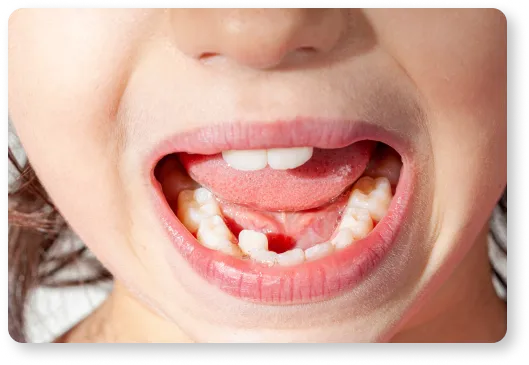
What Is Phase One Orthodontic Treatment?
Phase One treatment, also called early or interceptive orthodontics, takes place while a child still has a combination of baby teeth and permanent teeth. It is commonly considered between ages 7 and 10, although the right timing depends on the child’s development.
The purpose is not to straighten every tooth at an early age. Phase One treatment addresses specific problems that may benefit from care before all permanent teeth have arrived.
Depending on the diagnosis, early treatment may help:
- Guide jaw growth and development
- Correct a crossbite that causes the jaw to shift
- Improve an underbite, open bite or other developing bite concern
- Create room for incoming permanent teeth
- Reduce severe crowding
- Protect protruding front teeth from injury
- Address oral habits affecting tooth or jaw development
Many children do not need immediate treatment. If observation is more appropriate, Dr. Christensen will explain what should be monitored and when your child should return.
Signs Your Child May Need an Early Orthodontic Evaluation
Some orthodontic concerns are visible at home, while others require an examination or digital imaging. Your child may benefit from an evaluation if you notice:
- Severe crowding or limited room for permanent teeth
- Upper teeth that bite inside the lower teeth
- Lower teeth that sit in front of the upper teeth
- Front teeth that do not meet when biting
- A jaw that shifts to one side when closing
- Protruding front teeth
- Difficulty biting or chewing comfortably
- Baby teeth that were lost unusually early or remain unusually late
- Thumb-sucking or another habit affecting development
- A recommendation from your child’s dentist
An evaluation does not commit your child to treatment. It gives you clear information about your child’s development and whether early care would be useful.
What Happens at a Phase One Consultation?
Your child’s consultation begins with a review of their dental history and any concerns you or their dentist have noticed. Dr. Christensen will examine how the teeth are erupting, how the bite fits together and how the jaws are developing.
Digital X-rays or an intraoral scan may be recommended to evaluate developing permanent teeth, available space and tooth position.
After the evaluation, Dr. Christensen will explain:
- What he sees in your child’s teeth, bite and jaw development
- Whether the concern should be treated or monitored
- Why the recommended timing is appropriate
- What Phase One treatment would be intended to accomplish
- What future orthodontic care may still be needed
If treatment is not needed, periodic observation allows our team to follow your child’s growth and tooth eruption without beginning care prematurely.
What Can Phase One Treatment Accomplish?
The goals of early treatment depend on the child’s diagnosis. In the right situation, Phase One orthodontics can create better conditions for the teeth and jaws to continue developing.
Treatment may help improve a developing bite, create room for permanent teeth, reduce the effects of severe crowding or guide jaw development while growth is active. It may also make later orthodontic care more manageable in some cases.
Dr. Christensen will define the goals before treatment begins so you understand exactly what the first phase is expected to address.
Will My Child Still Need Braces Later?
Phase One treatment does not guarantee that a child will avoid braces or clear aligners. Many children need a second phase after more permanent teeth have erupted.
The first phase addresses a specific developmental concern. A later phase may focus on final tooth alignment, bite correction and smile details that cannot be completed while the child still has baby teeth.
Being clear about this distinction helps families understand why early treatment may still be worthwhile even when additional care is expected later.
What Happens After Phase One Treatment?
After the first phase is complete, an observation period often follows while the child continues growing and additional permanent teeth arrive.
During this period, our team may monitor:
- The eruption of permanent teeth
- Available space within the dental arches
- Changes in the bite and jaw relationships
- The stability of the first-phase correction
- The appropriate timing for future treatment
If another phase is recommended, treatment may include traditional braces, Damon™ braces, Invisalign® or other clear aligners, depending on your child’s needs and maturity.
Learn more about treatment after additional permanent teeth arrive on our Teen Orthodontics page.
Experience Parents Can Trust
Dr. Christensen has practiced orthodontics since 2014 and has completed more than 5,000 Phase One cases. His experience includes children with severe crowding, crossbites, jaw discrepancies and other developmental concerns.
He has completed more than 1,000 hours of continuing education, with approximately 90% focused on orthodontics, including education related to pediatric and Phase One care.
This experience helps him distinguish between children who may benefit from early treatment and those who should be monitored until a later stage. He also provides second-opinion evaluations when parents want another perspective before beginning treatment.
Frequently Asked Questions About Phase One Treatment
What age should my child have an orthodontic evaluation?
Phase One treatment is commonly considered between ages 7 and 10, but age alone does not determine whether care is needed. Timing depends on tooth eruption, jaw growth and the concern being evaluated.
Does every child need Phase One treatment?
No. Many children only need periodic monitoring. Dr. Christensen recommends early treatment when addressing a specific problem during growth offers a meaningful benefit.
Does Phase One treatment prevent the need for braces?
Not always. Phase One treatment addresses selected developmental concerns. A child may still need braces or clear aligners after more permanent teeth have erupted.
How long does Phase One treatment take?
Treatment length depends on the concern being addressed, the appliance used and how your child responds. Dr. Christensen will provide an individualized estimate after completing the evaluation.
What if my child is not ready for treatment?
Our team may recommend periodic observation. Monitoring allows Dr. Christensen to follow tooth eruption and jaw growth and begin treatment only if it becomes beneficial.
Can I request a second opinion about early treatment?
Yes. Dr. Christensen regularly evaluates children whose families want another perspective. He will explain whether he believes treatment is appropriate now or whether monitoring is the better choice.
Do you provide Phase One orthodontics near Riverton, Sandy and Herriman?
Yes. Christensen Orthodontics welcomes children and families from South Jordan, Riverton, Sandy, Draper, West Jordan, Herriman and surrounding communities in Utah.
Schedule Your Child’s Orthodontic Evaluation
Get clear answers about your child’s developing teeth, bite and jaws. Call Christensen Orthodontics at 801-446-5548 or contact our office to schedule a Phase One orthodontic evaluation in South Jordan, Utah.

 801-446-5548